Preventing Oral Cancer
Posted on 9/1/2026 by Dr. Scherer |
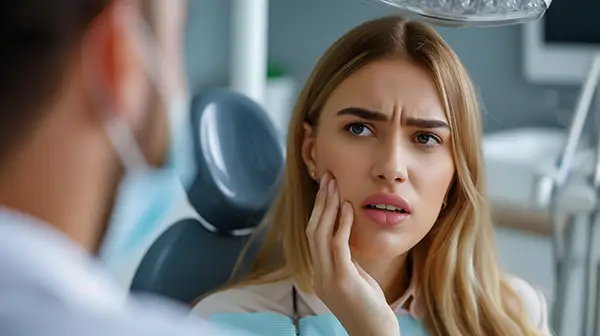 Oral cancer is a serious disease, but the good news is that you can take steps to lower your risk. Understanding the factors that contribute to oral cancer and adopting preventive measures can significantly improve your chances of staying healthy. Let’s explore what you can do to protect yourself. Oral cancer is a serious disease, but the good news is that you can take steps to lower your risk. Understanding the factors that contribute to oral cancer and adopting preventive measures can significantly improve your chances of staying healthy. Let’s explore what you can do to protect yourself.
Understanding the Risks
Several factors can increase your risk of developing oral cancer. Knowing these risks can help you make informed choices about your health.
| • |
Tobacco Use: Smoking cigarettes, cigars, pipes, and using smokeless tobacco (chew, snuff, dip) are major risk factors. The harmful chemicals in tobacco damage the cells in your mouth, making them more likely to become cancerous. |
| • |
Alcohol Consumption: Heavy alcohol use also increases your risk. When combined with tobacco, the risk is even higher. Alcohol can irritate the cells in your mouth and make them more susceptible to damage. |
| • |
Human Papillomavirus (HPV): Certain types of HPV, especially HPV-16, are linked to oral cancers, particularly those found at the back of the throat (oropharynx). HPV is often transmitted through sexual contact. |
| • |
Sun Exposure: Prolonged exposure to the sun, especially without protection, can increase your risk of lip cancer. The sun's ultraviolet (UV) rays can damage the cells on your lips. |
| • |
Age: The risk of oral cancer increases with age. Most cases are diagnosed in people over the age of 40. |
| • |
Poor Nutrition: A diet low in fruits and vegetables may increase your risk. These foods contain vitamins and antioxidants that protect your cells from damage. |
| • |
Weakened Immune System: People with weakened immune systems, such as those with HIV/AIDS or those taking immunosuppressant drugs, are at higher risk. |
| • |
Family History: If you have a family history of oral cancer, you may be at a slightly higher risk. |
Prevention Strategies
Taking proactive steps can significantly reduce your risk of developing oral cancer.
| • |
Quit Tobacco: If you smoke or use smokeless tobacco, quitting is the single most important thing you can do for your oral health and overall health. Talk to your doctor about resources and strategies to help you quit. |
| • |
Limit Alcohol: If you drink alcohol, do so in moderation. For women, this means no more than one drink per day, and for men, no more than two drinks per day. |
| • |
Get Vaccinated Against HPV: The HPV vaccine is recommended for adolescents and young adults to protect against HPV-related cancers, including some oral cancers. Talk to your doctor about whether the HPV vaccine is right for you. |
| • |
Protect Your Lips from the Sun: When outdoors, use lip balm with an SPF of 30 or higher. Reapply frequently, especially if you are sweating or swimming. |
| • |
Eat a Healthy Diet: Include plenty of fruits and vegetables in your diet. Choose a variety of colors to ensure you are getting a wide range of vitamins and minerals. |
| • |
Practice Good Oral Hygiene: Brush your teeth twice a day and floss daily. This helps keep your mouth healthy and can detect any unusual changes early. |
| • |
Regular Dental Check-ups: Visit your dentist regularly for check-ups and cleanings. Your dentist can screen for signs of oral cancer during these appointments. Early detection is crucial for successful treatment. |
| • |
Self-Exams: Get to know the normal appearance of your mouth. Regularly check for any sores, lumps, red or white patches, or changes in the texture of your tissues. If you notice anything unusual, see your dentist or doctor promptly. |
Early Detection Saves Lives
Even with the best prevention efforts, oral cancer can still occur. That's why early detection is so important. Regular dental check-ups and self-exams are key to finding any potential problems early, when they are most treatable. Don't hesitate to seek professional advice if you notice anything suspicious in your mouth. Being proactive about your oral health can make a significant difference in your overall well-being.
|
|


