How Does An Implant Compare to a Real Tooth?
Naperville, IL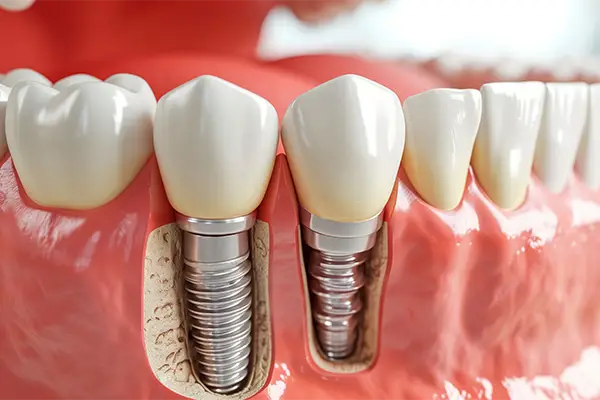 A complete smile plays an essential role in daily comfort, confidence, and oral health. When a natural tooth is lost, patients often wonder how closely modern tooth replacement options can match the look and performance of what was originally there. Dental implants are designed to replicate natural teeth in both structure and function, offering stability and durability that traditional tooth replacement options may not provide. A complete smile plays an essential role in daily comfort, confidence, and oral health. When a natural tooth is lost, patients often wonder how closely modern tooth replacement options can match the look and performance of what was originally there. Dental implants are designed to replicate natural teeth in both structure and function, offering stability and durability that traditional tooth replacement options may not provide.From strength and size to appearance and longevity, dental implants offered through Wheaton Oral Surgery are carefully designed to mirror many of the qualities of natural teeth while supporting long-term oral health. How Does An Implant Compare to a Real Tooth?Dental implants are unique because they replace both the visible portion of a tooth and the root beneath the gums. A natural tooth consists of a crown, which is the part seen above the gum line, and a root that anchors it securely into the jawbone. Dental implants recreate this structure using a post that integrates with the bone and a custom restoration that resembles a natural tooth. While no artificial replacement can fully replicate every biological feature of a natural tooth, dental implants come remarkably close in terms of appearance, stability, and performance. The following comparisons highlight how implants measure up to natural teeth in several important areas. FunctionNatural teeth allow individuals to chew, speak, and bite with comfort and efficiency. Their roots are anchored into the jawbone, which provides stability and allows for strong biting forces. Dental implants are designed to restore these same abilities by integrating directly with the jawbone. Because implants become securely fused with the bone, they function independently without relying on neighboring teeth for support. This stability allows patients to eat a wide range of foods and speak clearly, much like they would with natural teeth. Unlike some removable tooth replacement options, implants do not shift or move during daily activities. Another important functional similarity is how dental implants help preserve jawbone health. Natural tooth roots stimulate the surrounding bone during chewing. Dental implants provide similar stimulation, helping maintain bone density and supporting the overall structure of the mouth. SizeDental implants are carefully planned and customized to match the size of surrounding natural teeth. Each implant restoration is designed based on the patient's specific oral anatomy, ensuring that the replacement tooth fits comfortably within the bite and aligns properly with neighboring teeth. Natural teeth vary in size depending on their location in the mouth and their role in chewing. Similarly, dental implants can be used to replace different types of teeth, from smaller front teeth to larger molars. The implant post placed in the jaw is selected to suit the available bone and the space required for the final restoration. The goal is to create a replacement tooth that feels natural and balanced, preventing changes in bite alignment or discomfort. When properly placed, patients often find that their implant feels nearly identical in size and presence to their original tooth. StrengthNatural tooth enamel is one of the strongest substances in the human body. It protects the inner layers of the tooth and allows for powerful chewing forces. Dental implants are also designed for durability and strength. The implant post is typically made from titanium or similar materials known for their stability and compatibility with the body. The restoration placed on top of the implant, such as a crown, is crafted from durable materials that can withstand everyday use. With proper care, dental implants provide reliable support for biting and chewing, similar to natural teeth. However, while both natural teeth and implants are strong, they require proper maintenance. Natural teeth can be affected by decay or damage, while implant restorations must be cared for to prevent complications involving the surrounding gum tissue. Maintaining good oral hygiene supports the long-term strength of both. ShapeNatural teeth have distinct shapes that allow them to perform specific functions. Front teeth are shaped for biting and cutting, while molars have broader surfaces designed for grinding food. Dental implant restorations are custom-made to replicate the shape of the tooth being replaced. Modern dental materials allow implant crowns to closely resemble the contours, texture, and color of natural teeth. Careful design ensures that the implant blends with surrounding teeth and supports a natural-looking smile. The shape of a dental implant restoration also plays an important role in oral health. Proper contours help maintain healthy gum tissue and allow for effective cleaning, reducing the risk of plaque buildup and irritation. PermanenceOne of the most significant differences between natural teeth and dental implants is their long-term durability. Natural teeth can last a lifetime with proper care, but they are susceptible to decay, injury, and disease. Dental implants, on the other hand, are designed as a long-term tooth replacement solution. Because the implant post integrates with the jawbone, it provides a stable and lasting foundation for the restoration. With consistent oral hygiene and regular dental visits, implants can remain functional for many years. The crown portion may eventually require replacement due to normal wear, but the underlying implant structure often remains secure. This permanence makes dental implants a reliable solution for patients seeking stability and longevity in their tooth replacement. Who is a Candidate for Dental Implants?Dental implants can be an effective solution for many individuals who have lost one or more teeth. Ideal candidates typically have healthy gums and sufficient jawbone to support the implant. Since the implant relies on integration with the bone, adequate bone density is essential for long-term stability. Good overall health also supports successful healing following implant placement. Certain medical conditions or lifestyle factors may affect the healing process, so a thorough evaluation helps determine whether dental implants are appropriate. Patients who are committed to maintaining good oral hygiene and attending regular dental visits are often strong candidates for implants. Even individuals who have experienced bone loss or other concerns may still qualify for treatment after additional procedures that help prepare the jaw for implant placement. A comprehensive consultation allows our dental team to assess oral health, discuss treatment goals, and recommend the most appropriate tooth replacement options. Dental Implants in NapervilleDental implants offer a reliable and natural-looking solution for replacing missing teeth while supporting long-term oral health. By closely replicating the function, strength, and appearance of natural teeth, implants provide patients with a stable and comfortable way to restore their smiles. Patients in and around Naperville, IL who are considering dental implants can benefit from a professional evaluation to determine whether this treatment is right for their needs. If you are interested in learning more about how dental implants compare to natural teeth or would like to explore your tooth replacement options, contact Wheaton Oral Surgery at (331) 204-0314 to schedule an appointment. A personalized consultation can help you take the next step toward restoring comfort, function, and confidence in your smile. |
 Phone(331) 204-0314 HoursMonday: 9:00am - 4:00pm Tuesday: 9:00am - 4:00pm Wednesday: 9:00am - 7:00pm Thursday: 9:00am - 5:00pm Friday: 9:00am - 3:00pm |

