Multiple Tooth Implant
Naperville, IL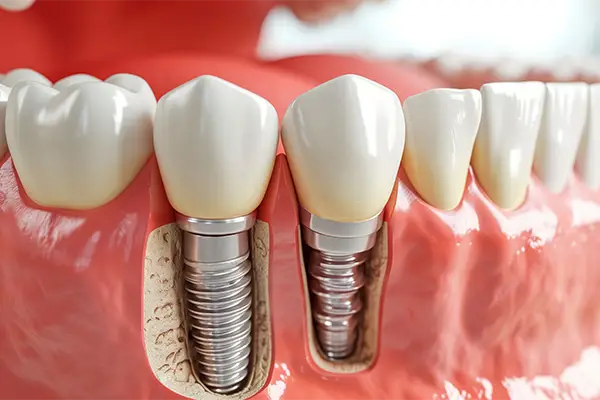 Just as a single dental implant can replace a missing tooth, multiple tooth implants offer a reliable solution for patients who have lost several teeth. Unlike removable dentures or traditional bridges, which can slip or move while eating, speaking, or smiling, multiple tooth implants are securely anchored in your jaw, providing long-term stability and confidence. With dental implants, there's no risk of clicking, shifting, or needing adhesives, they stay firmly in place, allowing you to enjoy everyday activities without worry. Just as a single dental implant can replace a missing tooth, multiple tooth implants offer a reliable solution for patients who have lost several teeth. Unlike removable dentures or traditional bridges, which can slip or move while eating, speaking, or smiling, multiple tooth implants are securely anchored in your jaw, providing long-term stability and confidence. With dental implants, there's no risk of clicking, shifting, or needing adhesives, they stay firmly in place, allowing you to enjoy everyday activities without worry.Dental implants are designed to look, feel, and function like natural teeth. Because they integrate directly with the jawbone, they help preserve bone structure and prevent bone loss, a common problem after tooth loss. Maintaining bone density is important for both oral health and facial aesthetics, preventing the sunken or aged appearance that can develop when multiple teeth are missing. At Wheaton Oral Surgery, our skilled dental professionals evaluate each patient carefully to determine if multiple tooth implants in are the best choice for restoring their smile. The Difference Between Single and Multiple Tooth ImplantsWhile both single and multiple tooth implants share the same basic technology, the key difference lies in the scale and planning required. Single tooth implants replace one tooth and typically involve one implant and one crown, whereas multiple tooth implants may replace several consecutive teeth using individual implants or implant-supported bridges, depending on the patient's needs. This approach not only restores multiple teeth at once but also distributes chewing forces more evenly across the jaw, providing greater comfort and long-term durability. Getting Multiple Tooth Dental ImplantsPlacing multiple tooth implants typically involves several visits to our dental office. Each step is designed to ensure precise placement, optimal healing, and a natural-looking result. Consultation and ExaminationYour first visit includes a thorough examination of your teeth, gums, and jawbone. Detailed X-rays or 3D imaging allow our dentist to assess your candidacy for implants, identify any underlying dental concerns, and create a personalized treatment plan. If conditions such as gum disease or insufficient jawbone are present, these issues will be addressed before proceeding with implants to ensure long-term success. Placing the Implant PostTitanium implant bases are surgically placed into the jawbone, serving as artificial tooth roots. The number of dental implants required depends on the number of teeth being replaced and their location in the mouth. After placement, the implants undergo a process during which the bone fuses with the implant. This integration is a very important step in the dental implant process. It usually takes three to six months and ensures the tooth implants are permanently stabilized in your jaw. In some cases, patients may require bone grafting or other preparatory procedures beforehand if jawbone density is insufficient. These procedures rebuild the jaw to provide a strong foundation for implant placement, increasing the likelihood of a successful and long-lasting result. Abutment PlacementOnce osseointegration, the fusing of the dental implant with the jawbone, is complete, abutments are attached to the implants. These small connectors hold the custom-crafted crowns or implant-supported bridge in place. Each restoration is designed in a dental laboratory to match your natural teeth in shape, size, and color. Dental CrownThe final step is securing the crowns or bridge onto the abutments. These restorations function just like natural teeth, allowing you to eat, speak, and smile without limitations. Multiple tooth implants restore both form and function, providing a stable, aesthetically pleasing solution that can last for many years with proper care. What Are the Benefits of Multiple Tooth Implants?Choosing multiple tooth implants offers several advantages compared to traditional dentures, bridges, or even single tooth implants. For patients who need more than one tooth replaced, multiple tooth implants offer an especially effective solution by restoring proper alignment, bite function, and overall oral health. They provide stability that single tooth implants cannot achieve when several consecutive teeth are missing. Jawbone PreservationDental implants are anchored into the jawbone, stimulating bone growth and preventing deterioration. This helps maintain bone structure and preserve facial features, preventing the sunken appearance that occurs with missing teeth. Oral HealthDental implants close gaps left by missing teeth, reducing the risk of bacterial buildup and gum disease. Unlike traditional dental bridges, multiple tooth implants do not require altering adjacent healthy teeth, preserving natural tooth structure. Permanent Tooth RestorationWith proper care, dental implants can last decades, offering a permanent solution for multiple missing teeth. Dental implants are more stable and reliable than removable dentures, eliminating the need for adhesives. Restored FunctionMultiple tooth implants restore full chewing function, allowing for a normal diet and better nutrition. They also provide a natural-looking, secure smile that enhances confidence and self-esteem. Maintaining Your Multiple Tooth ImplantsCaring for multiple tooth implants is similar to maintaining natural teeth. Daily brushing, flossing, and regular dental checkups are essential for the long-term success of your tooth implants. While dental implants themselves cannot decay, the surrounding gums and bone need to remain healthy to support the restoration. Proper oral hygiene and routine professional care help ensure that your multiple tooth implants remain durable, functional, and aesthetically pleasing. Who Needs Multiple Tooth Implants?Multiple tooth implants are ideal for patients who have lost several teeth due to decay, injury, or other dental issues. Candidates should generally be in good oral and overall health and have adequate jawbone density, or be willing to undergo bone grafting if necessary. During your consultation at Wheaton Oral Surgery, our team will evaluate your oral health, discuss your goals, and explain the differences between single and multiple tooth implants. We will also review alternative treatments if dental implants are not appropriate, ensuring that you receive a solution that is safe, effective, and customized to your needs. Restore Your Smile with Multiple Tooth ImplantsReplacing multiple missing teeth with dental implants can dramatically improve both the function and appearance of your smile. At Wheaton Oral Surgery, our experienced team is committed to helping you restore your oral health, confidence, and quality of life. If you are interested in learning more about multiple tooth implants in Naperville, IL, or would like to determine if you are a candidate, contact us today at (331) 204-0314 to schedule a consultation. |
 Phone(331) 204-0314 HoursMonday: 9:00am - 4:00pm Tuesday: 9:00am - 4:00pm Wednesday: 9:00am - 7:00pm Thursday: 9:00am - 5:00pm Friday: 9:00am - 3:00pm |

