Soft Tissue Laser Dentistry Naperville, IL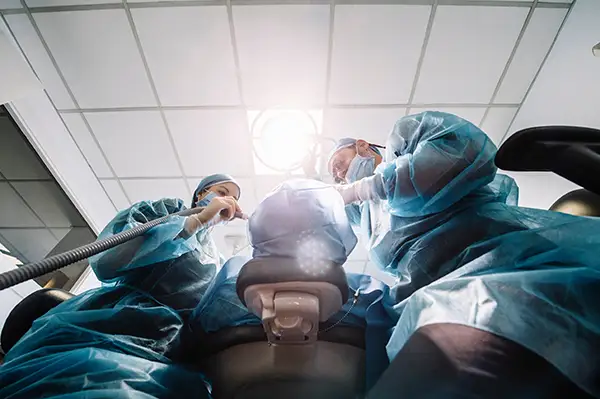 Not every dental concern involves a tooth. Growths, sores, and unusual patches of tissue can appear anywhere inside the mouth, on the gums, cheeks, tongue, or the roof of the mouth, and identifying what they are and addressing them promptly is an important part of comprehensive, ongoing oral health care. At Wheaton Oral Surgery, soft tissue lasers play a significant, ongoing role in how these concerns are evaluated and treated, offering a precise, minimally invasive option for conditions that once required more involved surgical steps. Not every dental concern involves a tooth. Growths, sores, and unusual patches of tissue can appear anywhere inside the mouth, on the gums, cheeks, tongue, or the roof of the mouth, and identifying what they are and addressing them promptly is an important part of comprehensive, ongoing oral health care. At Wheaton Oral Surgery, soft tissue lasers play a significant, ongoing role in how these concerns are evaluated and treated, offering a precise, minimally invasive option for conditions that once required more involved surgical steps.What Soft Tissue Lasers Are Used For In This SettingA soft tissue laser produces a focused beam of light energy calibrated to a wavelength that oral soft tissue absorbs efficiently. When applied to tissue that needs to be removed or sampled, the laser converts light energy into heat at a very precise depth, allowing the clinician to work with a level of accuracy that reduces the amount of surrounding healthy tissue affected. As it removes tissue, the laser also seals small blood vessels along the way, which keeps the surgical field clear and supports a cleaner, more controlled procedure. This precision is particularly valuable when a small lesion or growth is located in a tricky area of the mouth, such as under the tongue or along the inside of the cheek, where visibility and access can otherwise complicate a traditional surgical approach. It also reduces the likelihood of accidentally affecting nearby healthy tissue, which matters in areas of the mouth where structures are close together and precision has a direct effect on both the accuracy of the procedure and how comfortable the recovery turns out to be. Types Of Issues Soft Tissue Lasers Can Help Detect And AddressDuring a routine dental exam, the dentist carefully and visually inspects the soft tissue of the mouth as part of a broader oral cancer screening and general health check. Certain findings warrant closer attention or removal for further evaluation:
When a lesion is identified, the laser allows the dentist to remove it in the same visit in many cases, rather than scheduling a separate surgical appointment. The removed tissue can then be sent to a laboratory for evaluation if there is any uncertainty about what it is, giving both the dentist and patient clear information rather than a "wait and see" approach. This same-visit approach also reduces the number of separate appointments a patient needs to schedule, which can make it easier to follow through on evaluation rather than postponing it due to a busy calendar. Why Timing Matters With Soft Tissue FindingsMost soft tissue growths found during a dental exam turn out to be benign, often related to minor injury, irritation, or a blocked gland. But because a small number of oral tissue changes can indicate something more serious, addressing findings promptly rather than waiting to see if they change on their own is generally the more cautious approach. A soft tissue laser makes that immediate response more practical, since the procedure itself is typically brief and does not require the more extended preparation associated with traditional surgical removal. This also matters for patient peace of mind. Waiting weeks for a follow-up procedure to remove and evaluate a lesion can be an uncomfortable period of uncertainty, particularly when the finding is in a visible or frequently irritated part of the mouth. Being able to address a finding in the same appointment, or shortly after, shortens that waiting period considerably and allows patients to move forward with clear information sooner rather than carrying that uncertainty for an extended stretch of time. Recovery And Comfort After Laser Tissue RemovalOne of the most common questions patients ask before a soft tissue procedure is how painful it will be. Compared to a traditional excision using a scalpel, laser removal tends to involve less bleeding and typically requires little to no suturing, since the laser cauterizes the treatment site as it works. Most procedures are performed using a local topical or injected anesthetic depending on the size and location of the tissue involved, and patients generally report only mild discomfort during the procedure itself. Afterward, healing tends to progress with less swelling than would be expected from a traditional surgical excision. Many patients experience only mild tenderness in the area for a day or two, and normal eating and speaking can typically resume the same day, with some care taken around the treated area while it heals fully over the following week or so. Following any instructions about rinsing, diet, or activity during that window helps support smooth healing and reduces the likelihood of irritation to the treated site. When To Have A Concern EvaluatedAny new growth, persistent sore, or unusual patch of tissue that lasts longer than two weeks is worth having evaluated, even if it does not seem painful, bothersome, or particularly noticeable day to day. Dr. Scherer and the team at Wheaton Oral Surgery can determine whether a soft tissue laser is an appropriate option for addressing a specific finding and can walk you through exactly what the procedure and recovery would involve. If you have noticed a change in your oral tissue that has not resolved on its own within a couple of weeks, do not wait to have it looked at. Call (331) 204-0314 to schedule an evaluation at Wheaton Oral Surgery and get clear answers about what you are seeing and what, if anything, needs to be done about it. |
 Phone(331) 204-0314 HoursMonday: 9:00am - 4:00pm Tuesday: 9:00am - 4:00pm Wednesday: 9:00am - 7:00pm Thursday: 9:00am - 5:00pm Friday: 9:00am - 3:00pm |

